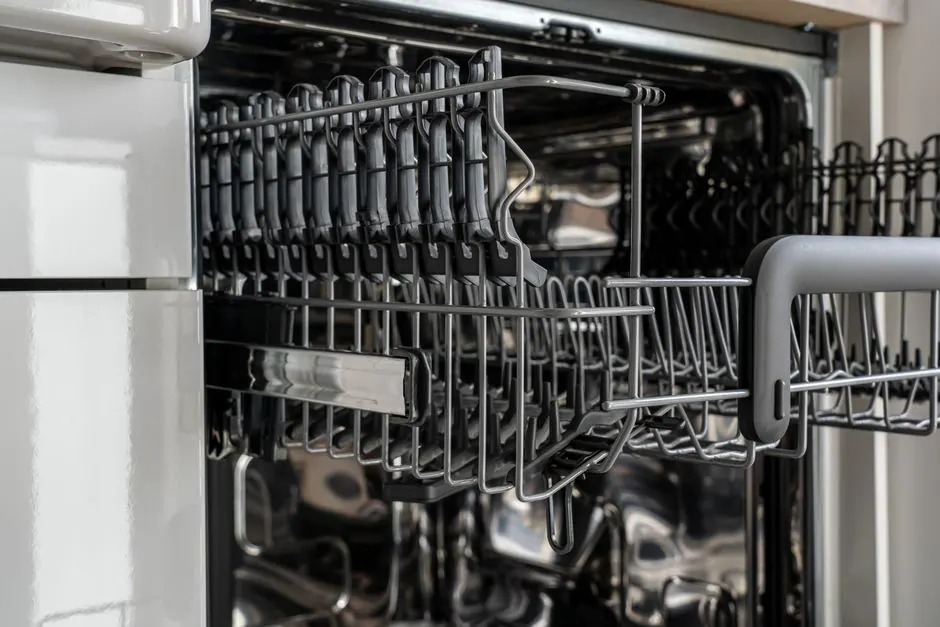
Installing a new dishwasher can seem daunting, but with the right guidance, you can do it safely and efficiently. This guide will walk you through how to safely install a new dishwasher in your home, focusing on practical steps and safety considerations. We'll also share insights specific to homeowners in San Antonio.
Understanding Dishwasher Installation
Before diving into the installation process, it's important to understand what's involved. Dishwashers are typically connected to water supply lines, drainage systems, and electrical outlets. Knowing these components will help you navigate the installation with ease.
Preparing for Installation
Preparation is key to a successful installation. Here are the steps you should follow:
- Check the space: Make sure the area where the dishwasher will be installed is clear and accessible.
- Review the manual: Each dishwasher model comes with a unique installation guide. Familiarize yourself with it.
- Inspect existing connections: Ensure that your water supply and drainage systems are in good condition.
In San Antonio, older homes may have unique plumbing setups. If your home is older, consider consulting with a professional to ensure compatibility.
Gathering Necessary Tools
Having the right tools on hand will make the installation process smoother. Here's a list of tools you might need:
- Adjustable wrench
- Phillips and flathead screwdrivers
- Pliers
- Level
- Tape measure
- Bucket (for any spills)
These tools will help you with everything from connecting water lines to leveling the dishwasher once installed.
Step-by-Step Installation Guide
Now that you're prepared, let's go through the installation process step by step:
- Turn off the power and water supply: Safety first! Ensure both the electrical supply and water supply are turned off before proceeding.
- Remove the old dishwasher: If you're replacing an old unit, disconnect it carefully, ensuring to cap any open lines to prevent leaks.
- Connect the water supply: Attach the water supply line to the dishwasher, using Teflon tape to ensure a tight seal.
- Install the drain hose: Connect the drain hose to the sink or garbage disposal, ensuring it's secured to prevent leaks.
- Level the dishwasher: Use a level to ensure the dishwasher is even. Adjust the legs as necessary.
- Connect the power supply: If your dishwasher requires hardwiring, connect it to the electrical supply, ensuring all connections are secure.
- Test the unit: Turn on the water supply and power to the dishwasher. Run a short cycle to check for leaks.
By following these steps, you can ensure that your dishwasher is installed correctly and safely.
Common Mistakes to Avoid
Even experienced DIYers can make mistakes during installation. Here are some common pitfalls to watch out for:
- Neglecting to check measurements: Always measure the space before purchasing a new dishwasher to avoid sizing issues.
- Improper sealing: Failing to use Teflon tape or not securing connections can lead to leaks.
- Ignoring the manual: Each model may have specific requirements. Always refer to the installation manual.
When to Call a Professional
While many homeowners can install a dishwasher themselves, there are times when it's best to call in a professional. If you encounter any of the following issues, consider reaching out to Appliance Installation Services San Antonio TX:
- Complex plumbing configurations
- Electrical issues that require rewiring
- Uncertainty about local codes and regulations
At San Antonio Appliance Experts, we can assist with any installation needs, ensuring your appliance is set up correctly and safely.
Frequently Asked Questions
How do I install a new dishwasher safely? To install a new dishwasher safely, ensure that you turn off the power and water supply, follow the manufacturer's instructions, and check for leaks after installation.
What are the steps to install a dishwasher? The steps include turning off utilities, removing the old unit, connecting the water supply and drain hose, leveling the dishwasher, and testing the installation.
What should I know before installing a dishwasher? Before installation, check the space for compatibility, gather necessary tools, and review the installation manual for specific requirements.
Can I install a dishwasher myself? Yes, many homeowners can install a dishwasher themselves if they have basic plumbing and electrical skills. However, complicated configurations may require professional help.
What if my dishwasher leaks after installation? If you notice leaks, immediately turn off the water supply and check all connections for tightness. If the problem persists, consult a professional.